
Exploitation
In publishing, the act of commercially using a musical composition to generate revenue. Examples of exploiting a work include releasing a recording in physical or digital form, licensing a song for use in a TV show or film (sync), licensing to DSPs or radio stations, or selling sheet music.
Articoli su Exploitation

What Are Neighbouring Rights in Music? Everything Artists and Labels Need to Know
If you've wondered what is neighbouring rights music and why performers and labels sometimes get separate checks from songwriters and publishers, this FAQ cuts through the confusion. It explains who neighbouring rights protect, how collections work across key territories, the essential metadata and registration steps that actually matter, realistic revenue expectations, and practical next steps to claim unpaid royalties.

How to Build a Sustainable Music Career as an Independent Artist
This practical how to build music career guide gives independent artists a step-by-step roadmap to create reliable income, retain rights, and grow an engaged fan base. You will get concrete music career tips on revenue diversification, rights registration and royalty collection, repeatable release and promotion workflows, live and direct-to-fan strategies, and measurable milestones to use over the next 12 months.

How to Negotiate a Music Publishing Deal Without Getting Burned
If you are an independent songwriter, producer, or DIY artist about to sign a contract, learning how to negotiate music publishing deal can protect your publishing rights and future income. This practical how-to walks through deal types, the contract clauses to demand or reject, real-world royalty benchmarks, and ready-to-use scripts and checklists to use before you sign.
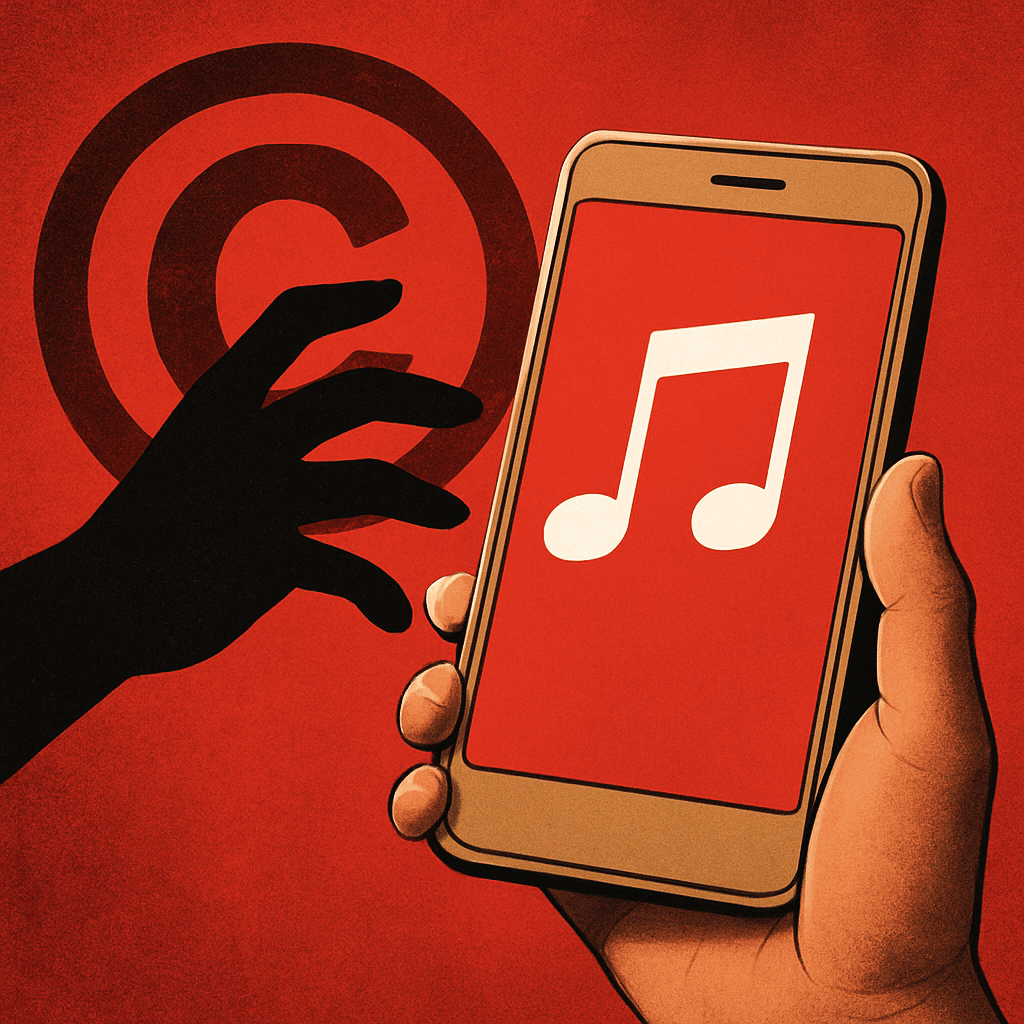
Your Music Is Being Used Without Permission — Here's What to Do About It
If you have discovered your recording or song being used without permission, you are facing music copyright infringement problems that demand practical, immediate action. This guide walks you through what to do first: preserve evidence, identify which right is being violated, and stop the use on each platform, then how to recover revenue and prevent repeat misuse.

The Top Collection Societies Every International Artist Should Know About
Releasing music globally means plays and broadcasts get logged in dozens of territories — and most creators leave money on the table by not registering with the right collecting bodies. This guide lists the music royalty collection societies worldwide that matter, explains what each actually collects, who should register, and gives practical next steps to claim royalties across borders.

Key Music Industry Insights Every Independent Artist Needs in Their Corner
Independent artists need clear, prioritized guidance that moves the meter. These music industry insights condense eight concrete actions you can use now to increase revenue, secure publishing rights, and convert listeners into paying fans.

Millions in Music Royalties Go Unclaimed Every Year — Is Yours One of Them?
Millions sit in accounts labeled unclaimed music royalties each year because bad metadata, split errors, and cross-border gaps hide rightful owners from collecting societies and platforms. This article shows exactly where to look, the databases and documents that matter, and a short audit you can run in an afternoon — plus realistic choices for DIY recovery or using a specialist.

Music Publishing Administrator vs Full Publisher: Which Is Right for You?
Music publishing administrator vs publisher is the core decision that determines whether you keep copyright and pay an admin fee or trade a publisher share for advances, active exploitation, and broader pitching. This article breaks down the legal differences, typical fees and splits, who collects which royalties, and the contract red flags to watch so you can choose based on catalog size, career stage, and income goals.

What Does a Music Publisher Actually Do? Your Questions Answered
If you are asking what is a music publisher and whether the trade-off is worth it for your songs, this FAQ gives a practical answer. You will get clear definitions of the publisher role, the royalty streams they handle, common deal types and splits, and real steps to audit, register, or recover publishing income.